



Early Signs of Diabetes-Related Eye Problems You Shouldn’t Ignore

High blood sugar is destructive to the small blood vessels in your retina, which is the thin layer at the back of your eye that senses light. This damage usually starts without pain or clear symptoms. As it gets worse, your eyes might show warning signs. Watching for these early signs can help you protect your vision.
Blurred Vision That Comes and Goes
Intermittent blurry vision is often an early warning sign. You may notice it when you wake up or after eating. When your blood sugar goes up and down, the lens in your eye can swell and change shape, which affects how you see.
Your vision may get better when your blood sugar is stable. If the blurriness keeps coming back, it means your eyes are having trouble with changing sugar levels.
New Floaters or Dark Strings
Small specks, spots, or dark lines moving across your vision are called floaters. Having a few floaters is normal as you get older, but seeing a lot of them at once could mean there is bleeding inside your eye.
New, weak blood vessels can leak blood into the gel inside your eye, and the blood cells block light, showing up as floaters. If you suddenly see many floaters, get medical help right away.
Dark or Empty Areas in Your Vision
If you see a missing area in your vision, either in the center or on the side, it could be a sign of diabetic macular edema or advanced diabetic retinopathy. The macula helps you see things clearly in front of you, but it can swell with fluid and make your central vision blurry or dim.
With time, the scar tissue can pull on the retina, causing permanent blank spots. Any dark area in your vision that does not go away should be checked by a doctor right away.
Difficulty Seeing at Night
Diabetes will make it difficult for you to see in low light. You may have trouble driving at night or notice that rooms look darker than before. High blood sugar is the culprit, as it can damage cells in your retina, making it difficult for your eyes to adjust to different lighting conditions.
Changes in night vision often happen slowly, but they can be an early sign that diabetes is affecting your eyes.
Colors Look Faded or Washed Out
The retina contains cells that help you see color. If blood vessels leak or swell, these cells may not work as well. Colors might look faded or have a yellow tint. This change can be small and easy to miss, or you might think it is just the lighting. If you notice colors are not as bright as they used to be, it is a good idea to get an eye exam.
Vision That Changes From Day to Day
Some people with diabetes find that their vision is clear one day and blurry the next, even when their blood sugar seems normal. These changes occur because the lens and retina respond to small fluctuations in fluid levels caused by shifts in blood sugar. If your vision changes from clear to blurry from day to day, you should have your eyes checked.
When to See an Eye Doctor
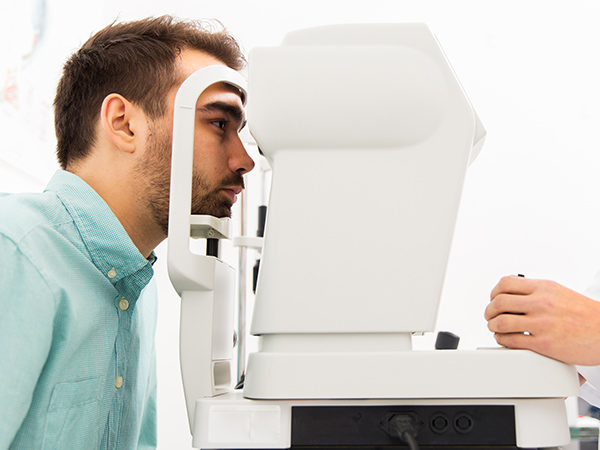
Early signs of diabetic eye problems are often easy to miss. They might seem mild or go away on their own. But if you delay too long, it can lead to permanent damage. A full eye exam, where your pupils are dilated and detailed pictures of your retina are taken, can find these problems before you notice any symptoms.
People with type 2 diabetes should have an eye exam upon diagnosis. On the other hand, people with type 1 diabetes should get one within five years. After that, everyone should have a yearly checkup, even if their vision seems fine.
To learn more about the signs of diabetes-related eye problems, visit Dr Helen Huang. Our office is in Fontana, California. Call (909) 355-3156 to make an appointment.
https://utswmed.org/medblog/diabetic-eye-disease-how-spot-signs-early/
https://www.mayoclinic.org/diseases-conditions/diabetic-retinopathy/symptoms-causes/syc-20371611


Contact Info
Hours of Operation
- Monday 10:00am - 6:30pm
- Tuesday 10:00am - 6:30pm
- Wednesday 10:00am - 6:30pm
- Thursday 10:00am - 6:30pm
- Friday 10:00am - 6:30pm
- Saturday Closed
- Sunday Closed
© 2026 Dr. Helen Huang. All rights Reserved. Accessibility Statement - Privacy Policy - Sitemap
Powered by:
