


Aging and Vision: What to Expect in Your 40s, 50s, and Beyond
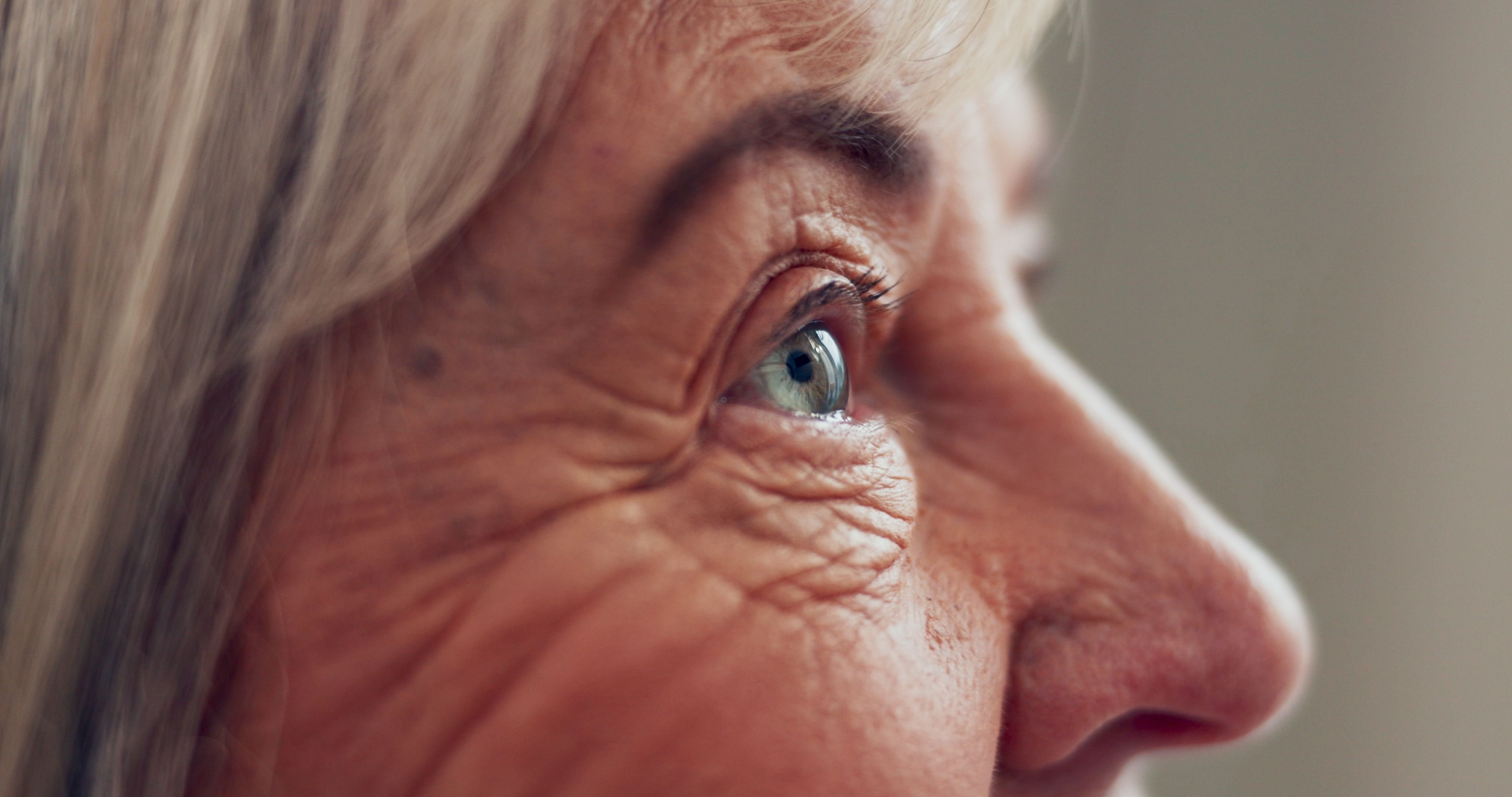
Aging affects every part of the body, including the eyes. Many adults first notice changes in their 40s, when near vision is not as sharp and screen time feels more tiring. The good news is that most age-related vision changes can be managed with the right habits and regular eye exams. Knowing what is normal - and what is not - helps you protect your long-term eye health.
Your 40s: The Start of Near Vision Changes
For many people, the first noticeable change is presbyopia, an age-related shift that makes close-up tasks harder. You may find yourself holding a phone farther away, needing brighter light to read, or getting headaches after detailed work. Dry eye symptoms can also become more common in your 40s, especially if you use digital screens often or spend time in dry indoor environments.
A comprehensive eye exam can confirm whether you need reading glasses, progressive lenses, or other options to keep vision comfortable throughout the day.
Your 50s: More Dry Eye and Higher Risk Factors
In your 50s, changes to tear quality and eyelid glands can make dry eye more persistent. Vision may fluctuate, and eyes may feel gritty, watery, or sensitive to wind and air conditioning. This is also when health conditions like diabetes or high blood pressure can begin to impact vision without obvious early symptoms.
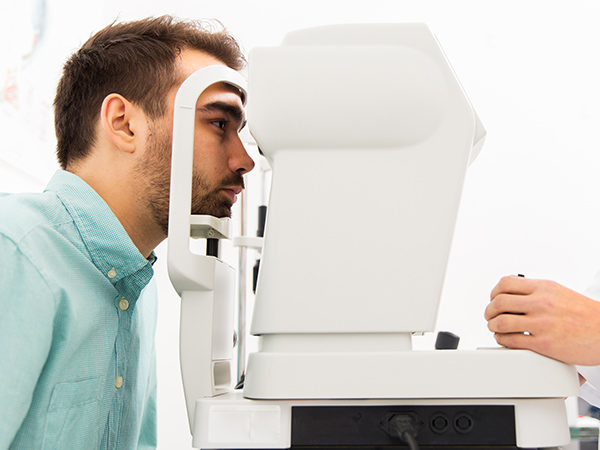
Eye exams become especially important because they can detect early signs of eye disease before you notice changes.
60s and Beyond: Cataracts, Glaucoma, and Macular Changes
After 60, the risk of cataracts rises. You might notice cloudy vision, glare at night, or colors looking less vivid. Glaucoma risk also increases with age, and it often develops without pain or early warning signs. Age-related macular degeneration can affect central vision, which impacts reading, recognizing faces, and seeing fine detail.
Routine eye care supports early detection and timely treatment, which can protect functional vision for years.
What You Can Do to Support Healthy Vision as You Age
Small choices add up. Along with scheduling routine eye exams, focus on daily habits that support eye health and visual comfort.
- Get a comprehensive eye exam on a consistent schedule
- Wear UV-protective sunglasses outdoors
- Use the 20-20-20 rule to reduce digital eye strain
- Manage chronic conditions like diabetes and high blood pressure
- Stay hydrated and address dry eye symptoms early
- Eat a nutrient-rich diet with leafy greens and omega-3s
Stay Ahead of Age-Related Vision Changes
If you notice blurry vision, increased glare, frequent headaches, dryness, eye fatigue, or changes in night driving, do not wait. Even subtle symptoms can signal the need for an updated prescription or further evaluation. Regular visits also help monitor for cataracts, glaucoma, and macular changes that can become more common with age.
For personalized guidance on aging and vision, schedule a comprehensive eye exam with Dr. Helen Huang. Visit our office in Fontana, California, or call (909) 355-3156 to book an appointment today.


Contact Info
Hours of Operation
- Monday 10:00am - 6:30pm
- Tuesday 10:00am - 6:30pm
- Wednesday 10:00am - 6:30pm
- Thursday 10:00am - 6:30pm
- Friday 10:00am - 6:30pm
- Saturday Closed
- Sunday Closed
© 2026 Dr. Helen Huang. All rights Reserved. Accessibility Statement - Privacy Policy - Sitemap
Powered by:
